Why climate change hits the poorest hardest
25 February 2026
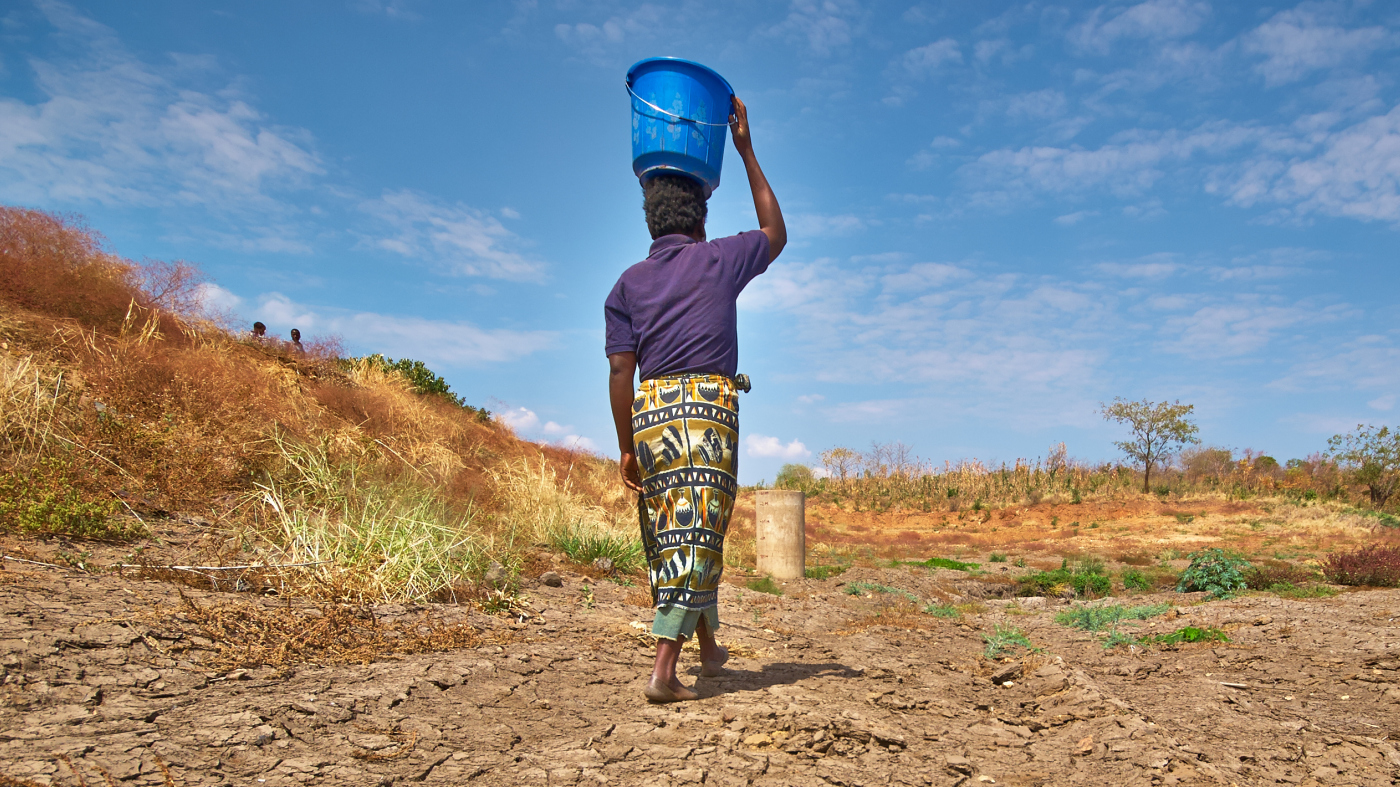
Climate change affects every corner of the globe, but its impact is far from equal. The poorest people - who have usually contributed least to the crisis - bear the heaviest burden.
For people already living in poverty, climate change doesn’t just bring higher temperatures or unpredictable weather; it disrupts food, water, shelter, health and livelihoods. From families struggling to find clean water in drought-hit regions to farmers losing crops and animals to floods, the impact of climate change can devastate people’s lives in an instant.
Here are 7 reasons climate change hits the people in the world’s poorest places the hardest, and how it deepens global inequality.
1. More at risk of climate events
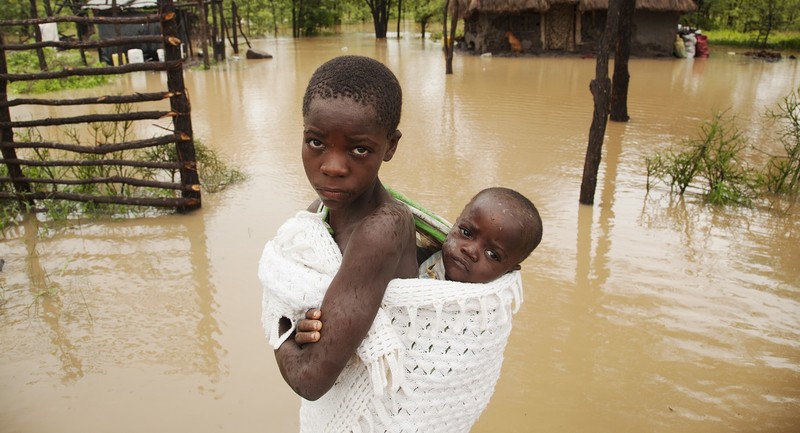
Many of the world’s poorest communities live in areas that are most vulnerable to climate extremes: floodplains, drought-prone regions and low-lying coastal zones. These communities often have limited economic diversification, making them heavily reliant on climate-sensitive sectors like agriculture or tourism.
In Malawi, already one of the poorest countries in the world, floods and droughts can be devastating. The country is heavily reliant on agriculture, and when a climate event strikes, it can destroy crops and cause food shortages and widespread hunger.
Our partners often work in these regions, providing immediate aid like food, clean water and shelter, but the recurring nature of these crises underscores the need for long-term solutions.
2. Limited resources to adapt
Poorer communities and nations often lack the financial, technological and infrastructural resources to adapt to climate change. While wealthier nations can invest in flood defences, early weather warning systems, or earthquake-resistant buildings, developing countries are frequently vulnerable.
The World Bank estimates that climate change could push an additional 130 million people into poverty by 2030, largely in regions like South Asia and sub-Saharan Africa, where adaptive capacity is low.
3. Reliance on nature for livelihoods
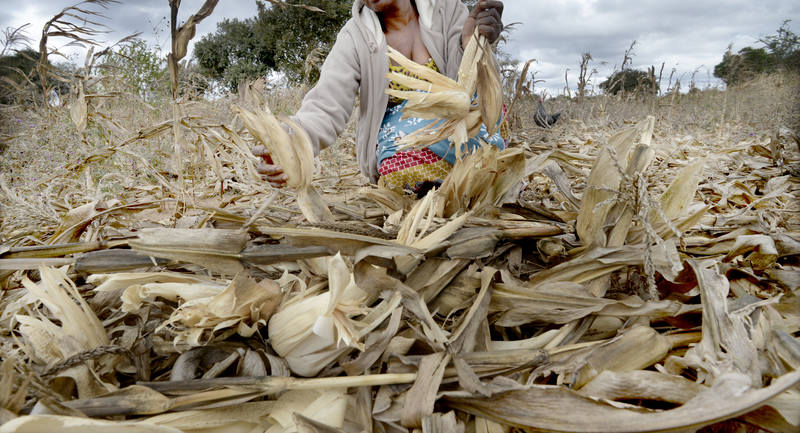
Across much of the developing world, people depend directly on their natural environment to make a living. Livelihoods such as subsistence farming, fishing, or pastoralism depend on stable weather patterns, healthy ecosystems and access to natural resources like water and fertile land.
When droughts, floods, hurricanes or heatwaves strike, it’s these people who are most affected. With little to no financial buffer, a single poor harvest or lack of food to catch or sell can mean hunger, poverty or homelessness.
4. Worsens food insecurity and hunger
Food insecurity is one of the most visible ways climate change affects people in the world's poorest places.
Extreme weather events destroy crops, reduce yields and drive up food prices. Across sub-Saharan Africa and South Asia, unpredictable monsoons are already reducing harvests of staple crops like maize, rice and wheat.
Even small shifts in temperature can have large effects. For example, a 1°C rise in temperature can reduce maize yields by up to 10%. For small scale farmers living on the margins, those losses are catastrophic.
It also produces a negative cycle that is very hard to escape. If yields are lower, that means there is less to eat and less to sell. It also increases food prices, making it even harder for poorer households to afford to eat. This can mean having to skip meals, sell possessions or take on debt.
SCIAF’s work in tackling hunger crises is increasingly focused on these regions, where climate-induced food insecurity is a growing emergency.
5. Deepens gender inequality
Climate change amplifies existing inequalities, particularly gender disparities. Women and girls in poorer communities often face greater risks because of their social and economic marginalisation.
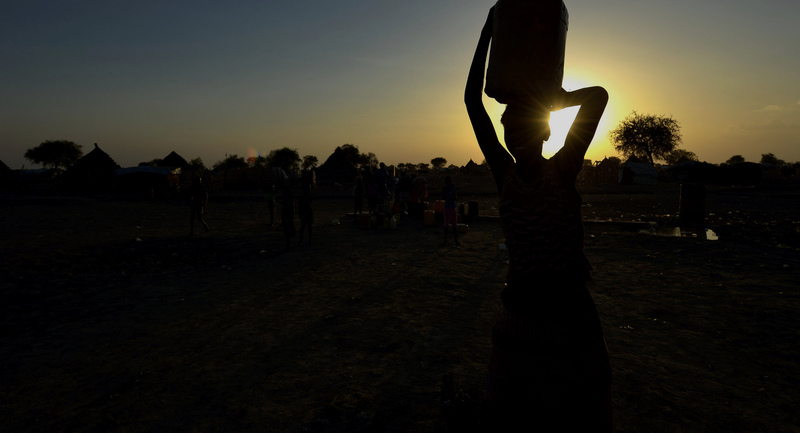
In many developing countries, women are responsible for gathering water, food and fuel for their households. But these tasks become infinitely more challenging during climate events. A walk to collect water that once took half an hour can stretch into a six-hour round trip under scorching heat. This means less time for education or work, which only reinforces the cycle of poverty and inequality.
Women and girls are also at greater risk of violence. When families are displaced by floods, drought, or conflict over resources, overcrowded shelters and refugee camps can expose women to harassment and gender-based violence.
Empowering women - through education, training and leadership - is one of the most effective strategies for building community resilience to climate change.
6. Puts even more strain on limited healthcare and resources
Healthcare systems in many low-income countries are already strained. When climate-related crises hit, hospitals and clinics struggle to cope. Medicines can run short, water supplies can become unsafe, and essential services like maternal care or vaccination programmes get disrupted.
Climate change affects health in countless ways. Malnutrition and stunted growth are already on the rise in regions affected by climate shocks. For children, these early deficits can cause lifelong health problems, affecting education and development. Pregnant women are also at higher risk of complications and anaemia when nutritious food is unavailable.
Heatwaves are becoming longer, hotter, and more frequent. Without access to clean water or healthcare, they can lead to heat-related illnesses such as dehydration, heatstroke and cardiovascular strain.
Flooding and water contamination increase the risk of diarrhoeal diseases like cholera, which can be deadly for children and vulnerable adults.
Diseases carried by mosquitoes and ticks are spreading into new regions. Malaria and dengue fever, once confined to tropical areas, are now appearing in more countries around the world, and the number of cases is increasing.
Climate change fuels a vicious cycle: poor health deepens poverty, and poverty deepens vulnerability to climate events. Breaking this cycle requires both urgent climate action and stronger health systems that can protect everyone, no matter where they live.
7. Forced displacement and conflict
Climate-related disasters displace millions of people each year, and that number is only expected to rise in the coming decades.
For families already struggling, losing their home or farmland can mean starting over with nothing. As resources like water and arable land become scarcer, competition can lead to conflict, particularly in regions already marked by instability. Displacement also increases the risk of exploitation, child labour and gender-based violence. The poorest communities, with the least ability to migrate safely or access legal protections, are often the worst affected.
How we help
Since 1965, we have been working with people in the hardest circumstances so they can overcome the structures of injustice that make and keep them poor. Our projects span everything from supplying clean water in drought-prone regions, supporting farmers to grow resilient crops, providing emergency aid in climate change disasters, and helping victims of gender-based violence and inequality.
With your support, we can continue to make a difference.
Together, we stand with those in need