What can birds tell us about the way we manage our landscapes?
10 October 2026
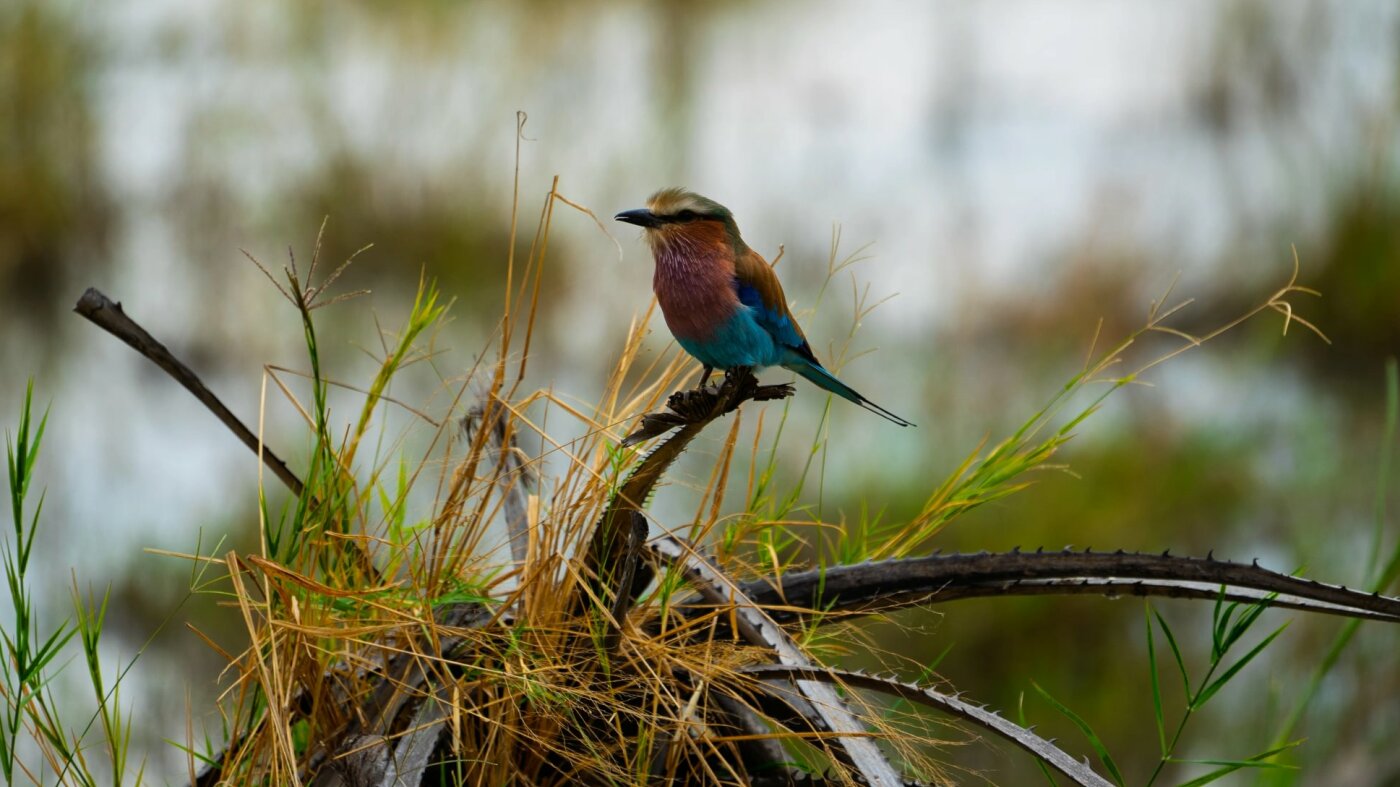
Today, on World Migratory Bird Day, we are celebrating the increase in bird diversity observed through our programmes in Malawi (supported by Jersey Overseas Aid (JOA)) and Rwanda (supported by The Scottish Government’s Climate Just Communities Programme (CJC)). These programmes, implemented by SCIAF and Trócaire, support communities in Malawi and Rwanda to produce food, strengthen livelihoods, and recover the biodiversity of their surrounding habitats.
Around Lake Chilwa in Malawi, communities supported by our Jersey Overseas Aid-funded project are reporting the return of fish-eating birds, including birds that local people say have not been seen for years. At the same time, in Rwanda, our partners have been in touch with great news: they have found 86 bird species, including seven migratory species in the places they work. Among these species, they found a Red-chested Cuckoo (Cuculus solitarius), a migratory bird found across sub-Saharan Africa and importantly, a critically endangered Hooded Vulture (Necrosyrtes monachus).
These positive stories are not happening by chance, but as a result of the work local communities are carrying out to restore their surrounding ecosystems, in ways that benefit both them, and nature.
In Rwanda, the CJC is a community-led programme where farmers are working to make their land more resilient to climate change while restoring the natural resources on which their livelihoods depend.
Through agroforestry, native trees are being re-introduced in farms; soils and water are being conserved; and degraded land is being restored. These changes are creating more varied habitats for birds, insects and other wildlife.
In Malawi, communities around Lake Chilwa are using agroforestry to sustainably manage a landscape where farming, forests, wetlands, fisheries, and people’s livelihoods are closely connected.
Communities are growing more vegetables through natural, sustainable, practices while taking action to protect wetlands and the wildlife that live there, through reforestation and community monitoring.
And the early results from both Malawi and Rwanda are really encouraging. Birdlife, including migratory birdlife, is returning, while communities are producing more food, and generating more income. These findings, of course, are only a start, but they highlight a need for further community-led studies exploring the links between community-led, sustainable local development, increased biodiversity, and poverty reduction.
From the farms and agroforestry landscapes of Rwanda to the wetlands and fishing communities around Lake Chilwa, we have come to understand a crucial point. When landscapes contain a richer mix of trees, crops, wetlands and other vegetation, they can support people's livelihoods while also providing places for birds and other wildlife to feed, shelter and move through.
A reflection on Chief Executive, Lorraine Currie's recent trip to Malawi.
A new fund to help families in Rwanda deal with the impacts of climate change is beginning to bear fruit.
Learn how SCIAF are helping the people of Malawi through Scotland’s Humanitarian Emergency Fund (HEF).
Previous
Back to