Humanitarian aid for Malawi
28 February 2026
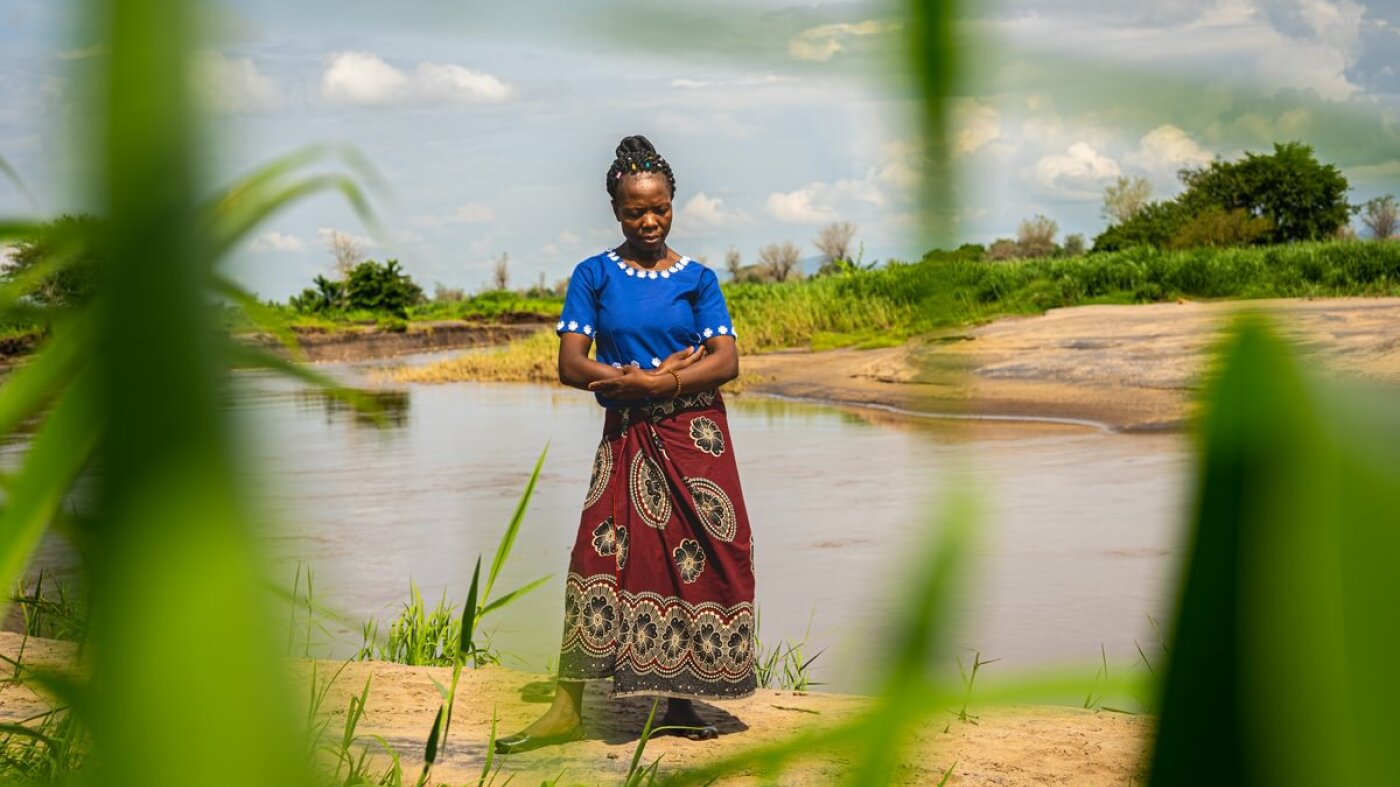
SCIAF and Tearfund will receive £400,000, which will be split equally between them and delivered through Scotland’s Humanitarian Emergency Fund (HEF) to help address the humanitarian crisis which has seen widespread crop failure and livestock losses as a result of the climate-shocks.
The funding will allow the two charities to distribute cash to people in the affected areas to meet their immediate food and basic needs. It will also allow the charities to deliver training on cholera prevention, safe water usage and hygiene practices to combat the risk of cholera.
External Affairs Secretary Angus Robertson said:
“The widespread flooding has killed and displaced many people and exacerbated ongoing food insecurity for millions of people.
“This funding will help support people and businesses directly at a local level - where it is needed - by empowering them to buy food and supplies.”
SCIAF’s Chief Executive Lorraine Currie said:
“We secured this funding to support Malawian families suffering from the combined challenges of food insecurity, malnutrition, and climate-related shocks. Since the onset of rains in November 2025, the country has been hit by floods, leading to deaths, displaced families, and damage to crops. A number of households are experiencing malnutrition, particularly children under five, and pregnant and breastfeeding mums. These people urgently require immediate, life-saving assistance to prevent a catastrophe.
“This funding comes at a time when many governments are turning their backs on people suffering from hunger, poverty and injustice around the world. Scotland continues to be a good global citizen. The funding means that we can reach out to over 3100 families with cash grants and much needed high-calorific food such as fortified corn soy blend. It’s literally a life-saver.”
Vincent Moyo, Tearfund Country Director for Malawi, said:
“Communities in Nkhotakota are facing an extremely difficult and uncertain period. Repeated flooding and prolonged dry spells have destroyed crops, reduced incomes, and pushed many families to the brink as the lean season intensifies. With very limited assistance currently reaching these areas, households are being forced to skip meals and sell the little household assets they have just to survive.
“This project will provide a vital lifeline at a critical moment – enabling families to meet their most urgent food and basic needs with dignity, while also reducing the risk of cholera through targeted health and hygiene awareness. It will help stabilise households' livelihoods now and prevent an even deeper crisis in the months ahead.”
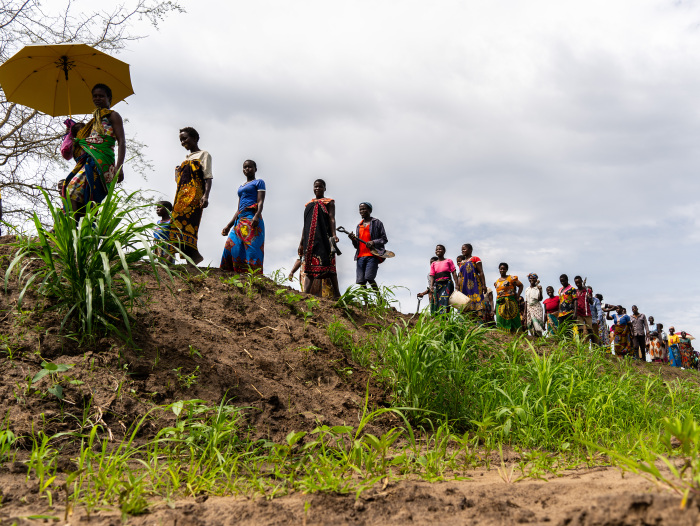
Donate to our Malawi Appeal
Your donation can help to support families in Malawi with nutrient-dense food and cash transfers.
Chimwemwe, one of our Malawian partners, reflect on the impact of the Humanitarian Emergency Fund.
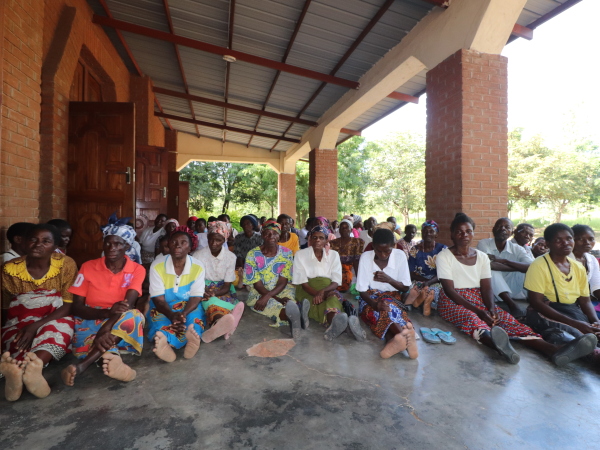
SCIAF received a contribution of £150,000 from the Scottish Government’s Humanitarian Emergencies Fund (HEF) to help people of Malawi.
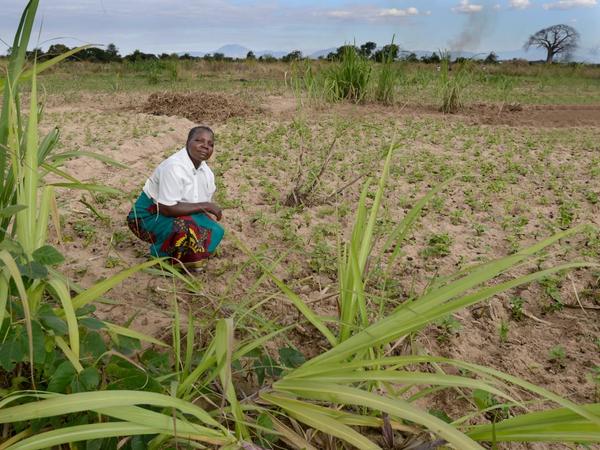
SCIAF received a contribution of £250,000 from the Scottish Government’s Humanitarian Emergencies Fund (HEF) to provide small cash grants.
SCIAF received £175,000 from the Scottish Government’s Humanitarian Emergencies Fund (HEF) to provide support for people in Zambia.