Climate change is making the world a living hell
9 November 2026
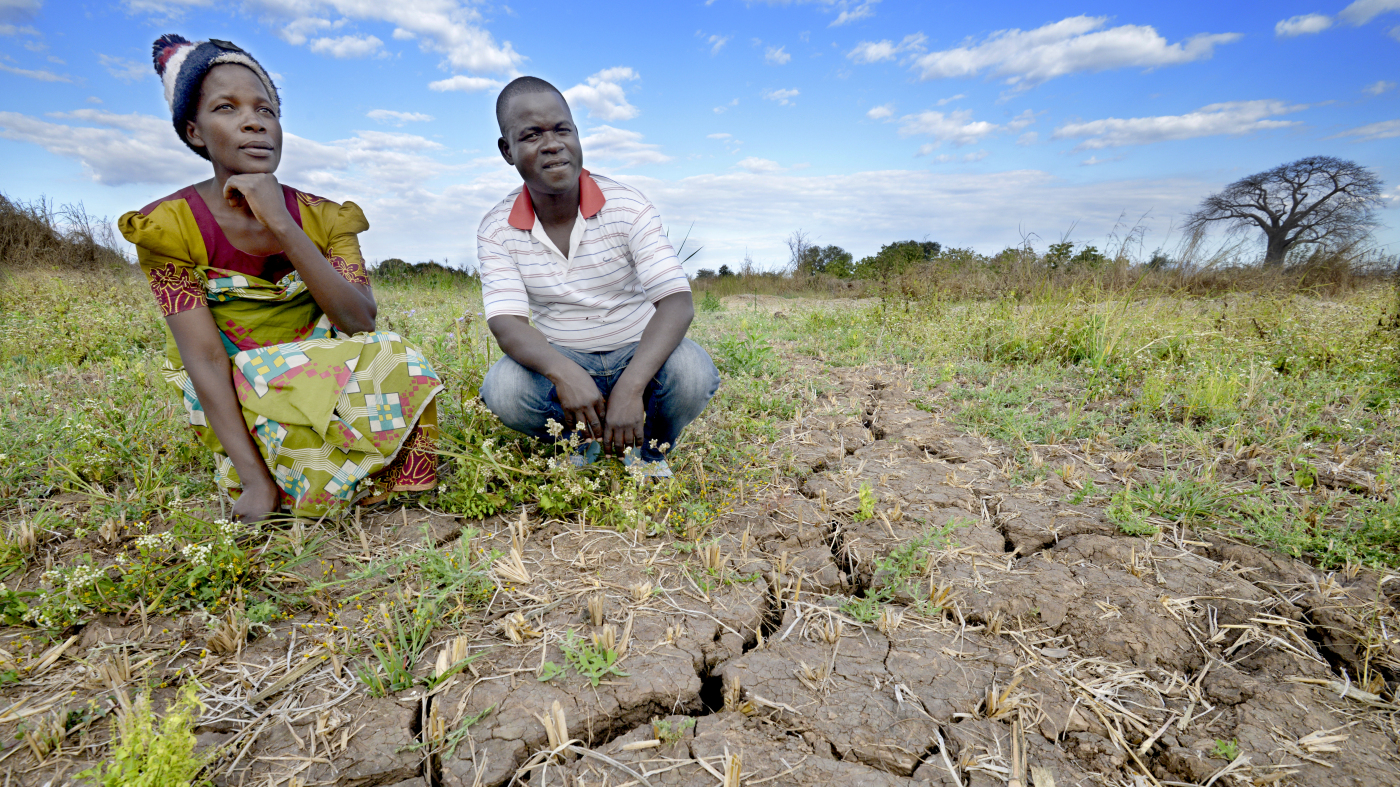
Photo: Gabriel and Ethel, Malawi, whose crops were destroyed by flooding.
This piece from SCIAF Chief Executive Lorraine Currie first appeared in The Scotsman.
“The earth is the Lord’s, and everything in it, the world, and all who live in it.” Psalm 24:1
Floods, hunger and pestilence aren’t just stories from the Old Testament. Today, climate change is making the world a living hell for those at the frontline of climactic events around the world – from the thousands who faced devastating floods in Nepal and Tibet to South Sudan where over half the population face extreme hunger as a result of failed crops and conflict. Even here in Scotland, our beautiful Cairngorms were engulfed by fire this summer. As the Scottish Catholic International Aid Fund, our solidarity is driven by our faith and with those most impacted by climate change, now and for generations to come.
An unprecedented El Niño event is happening this year and next and will make the situation far worse, but scientists say by making deep emissions cuts, we can bring the world back from the brink. Our planet cannot take care of us if we fail to take care of it.
This year’s COP climate conference takes place this week in Türkiye from tomorrow and Scotland will be represented by Gillian Martin MSP, our Cabinet Secretary for Climate Action. We urge the Scottish Government, as well as the UK Government, to be good global citizens and ensure that we don’t abandon those at the frontline of the climate crisis to greater disasters.
That means we must cut our emissions . And it means we have to help those countries who have done the least to cause the climate crisis But are suffering the most.
Scotland is to be commended for having a Climate Justice Fund (CJF) that helps communities in countries like Rwanda, Malawi and Zambia. We’d like to see that CJF increase as the International Development Fund has done. Thanks, must also go to Scotland for providing the first ever funding from a richer nation to Loss and Damage – the unavoidable impacts of climate change that communities cannot adapt to. This vital move helped pave the way for the establishment of the global Loss and Damage fund which was set up in October 2026, this Fund specially convened for an emergency meeting for the first time in response to the Nepal floods and agreed to give the country $20 million to support its response. This is a positive step forward.
The climate emergency is costing millions of lives and destroying a wealth of God-given potential. It is also burdening countries with more global debt. The recent devastating Nepal floods caused an estimated $2,69USD in economic loss and damage with reconstruction costs estimated to be nearly $5 billion.
What the world needs now is visionary leadership, especially when there are some who seem intent on bullying the world.
History has told us that at critical moments, there are those that can pull the world back from the brink if they have the courage to make the right decisions.
In 1987, the world stopped using chemicals that depleted the ozone layer. It is on course for healing almost completely by the middle of this century.
In 1962, 1970 and 1987 there were key moments where the world pulled back from the nuclear brink. This all happened through negotiation.
History will also tell us that the UK Government’s decision to approve the Jackdaw gas field is wrong as it will lead to more emissions and send the wrong signal. Neither will it cut bills or ensure security of supply. The Scottish Government’s welcome of the Jackdaw decision is deeply disappointing. As is the decision to approve the Peterhead gas-fired power station by the Scottish Government.
The looming Rosebank oil field approval decision must be rejected. This field is twenty times the size of Jackdaw’s emissions and would be the equivalent of nearly 70% of the UK’s entire annual emissions in 2025. Addressing worries at home about jobs and bills demands action away from a reliance on fossil fuels.
The future of our common home needs a fossil-free future. I ask that leaders think about the long-term impact of their actions and not to prioritise short term profits over the long-term flourishing of our planet.

SCIAF believes the UK Government’s decision to approve the Jackdaw gas field is a cruel betrayal of the people facing climate change.
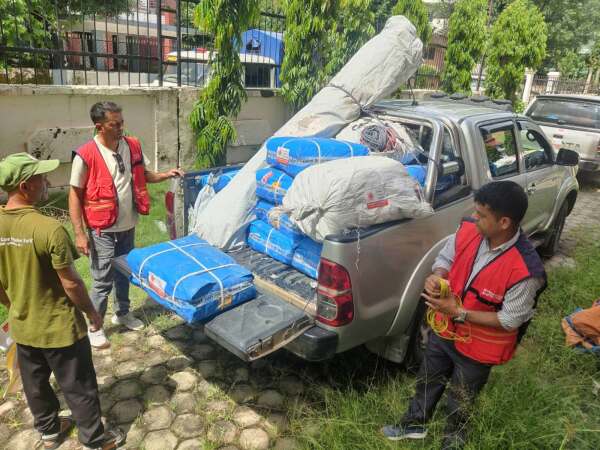
The thoughts and prayers of the SCIAF family are very much with the people of Nepal.
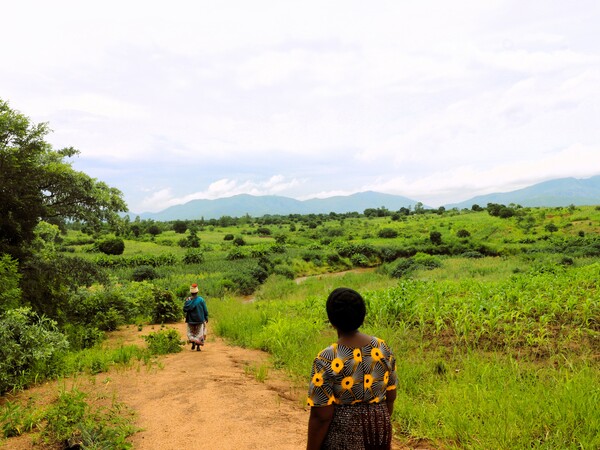
Why the Loss and Damage can no longer delay.
Back to