What happened at COP30?
9 December 2025
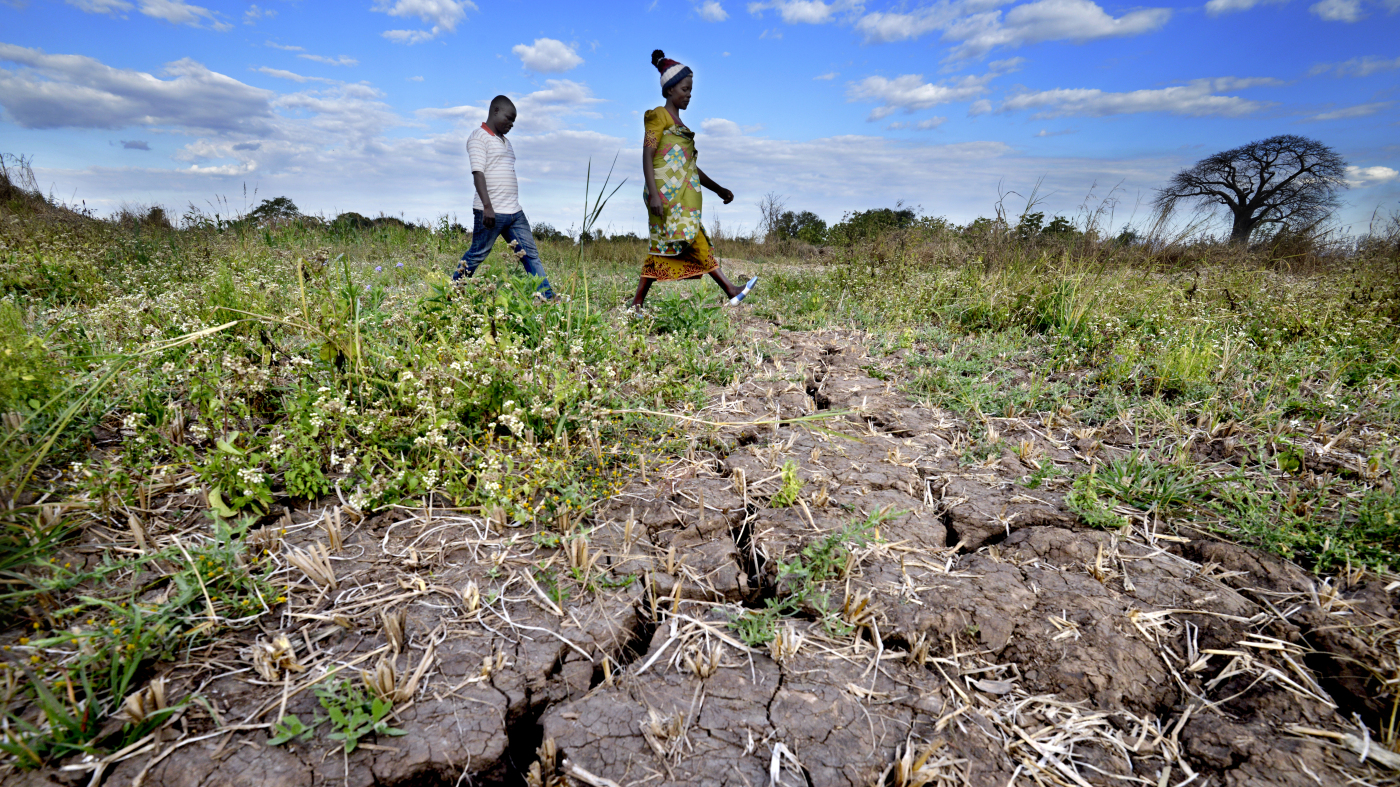
Gabriel and Ethel walk over very dry grass and earth, Malawi. Their crops were destroyed by Tropical Storm Ana in January 2022.
COP30, took place in Belém, Brazil, in November 2025. SCIAF's Director of Public Engagement, Ben Wilson, attended the COP to follow negotiations. Alphaeus Ngonga, a member of SCIAF’s Advocacy team, monitored COP30 negotiations and side events remotely from Glasgow via a “digital access pass” and compiled a summary of the key outcomes.
The Belém COP30 concluded with a set of outcomes that were modest in ambition but symbolically important for global climate governance. Central to the conference was the adoption of the “Belém Package”, a collection of 29 consensus decisions shaped by a strong emphasis on equity, inclusion, and a just transition. While this reaffirmed multilateral commitment to climate action, many observers noted that it fell short of delivering the transformative acceleration needed to keep global warming within safe limits.
Climate Finance
Climate Finance emerged as one of the most significant areas of progress at COP30 building on commitments from COP29 and addressing the earlier disappointment over the formal target of US$300 Billion a year agreed in Baku. Countries agreed to mobilise US$1.3 trillion annually by 2035, representing one of the largest long-term target under the UN climate process. This includes a commitment to triple adaptation finance by 2035, a move widely welcomed but criticised for its distant timeline, by civil-society groups calling for ‘urgent front-loaded support’.
The Fund for Responding to Loss & Damage (FRLD), created at COP28, took its first operational steps by issuing a US$250 million call for proposals. While this signals progress many organisations, including Climate Action Network International, warned that the fund remains severe under-resourced given the scale of climate induced losses worldwide.
Faith based groups were vocal in Belém. Caritas, of which SCIAF and CIDSE are members, mobilised the largest march at COP30, calling on world leaders to advance adaptation policies that leave no one behind. SCIAF membership in Caritas played an active role in this mobilisation by amplifying the voices of vulnerable communities and advocating for adaptation strategies rooted in justice and equity. Through its engagement in Caritas and CIDSE networks, SCIAF emphasised the need for urgent, climate finance and policies that prioritise those most affected by climate change, reinforcing the moral imperative for inclusive and rights-based climate action. The Jesuit organisations were also among the most outspoken voices in Belém. The Jesuits for Climate Justice campaign, pushed for debt relief, climate justice, and a fair energy transition, stressing that climate finance should not worsen the financial vulnerability of low-income countries. Similarly, CIDSE, a global Catholic social justice network, welcomed renewed cooperation but warned that concrete action still lags dangerously behind the urgency of the climate crisis.
The 1.5 Degrees Goal
COP30 reiterated its rhetorical commitment to keeping the 1.5 degrees Celsius limit within reach. The UN Secretary-General called failure to meet the target a “moral failure” and urged governments to align policies with scientific evidence. The conference launched the Belém Mission to 1.5 degrees Celsius, aimed at strengthening national climate plans (NDCs). Yet critics argued that without deeper mitigation commitments, especially around fossil-fuel reduction, the gap between ambition and reality remains significant.
Fossil Fuels and the Just Transition
The fossil fuel phase out debate was highly contentious at COP30 and produced a notably limited outcome. The final text avoided a clear roadmap, instead referencing the COP28 UAE Consensus on “transitioning away from fossil fuels”. Reports indicate strong resistance from major petrostates, preventing more definitive language on coal, oil, and gas.
In response, countries endorsed the just-transition mechanism (JTM), a framework designed to ensure that the shift to a green economy is fair and inclusive, , safeguarding the rights and livelihoods of affected communities including women, workers and indigenous people. While this was considered a symbolic step forward, civil society groups, such as Demand Climate Justice, criticised the lack of binding timelines and safeguards for frontline and Indigenous communities.
Loss and Damage
Loss and damage remained one of the most closely watched themes. The operationalisation of the FRLD, along with its initial funding call, marked a milestone in the UNFCCC process. The $250 million drew sharp criticism from civil society groups and developing nations for not being enough. The Fill the Fund Campaign, with SCIAF serving on its steering committee, urged governments from the Global North to take immediate responsibility for fully financing the Fund for Responding to Loss and Damage (FRLD). The Loss & Damage Collaboration called for deeper reforms, including strengthening the Warsaw International Mechanism and ensuring equitable access to funds, especially for communities facing non-economic losses like cultural heritage, displacement, and biodiversity loss.
Adaptation
Adaptation was the area where COP30 saw the most tangible progress. Alongside the pledge to triple adaptation finance, countries adopted 59 voluntary global indicators to monitor adaptation across sectors such as “water, food, health, ecosystems, infrastructure, and livelihoods, while integrating finance, technology, and capacity-building”. Countries also agreed on the Baku Adaptation Roadmap (2026–2028), which will inform the next Global Stocktake.
Despite these steps, civil-society groups like CAN International warned that adaptation without reliable, long-term finance is little more than aspiration. Developing nations reiterated the need for predictable funding streams to build resilience effectively.
Civil Society and Faith-Based Responses
Civil society and faith groups were highly visible role in Belém. The Jesuits for Climate Justice campaign highlighted the moral imperative of climate action, calling for debt cancellation and equitable transition planning. CIDSE similarly acknowledged progress but warned that without stronger finance commitments, enhanced loss and damage support, and a clear fossil fuel phase-out, COP30 risks falling short of being a turning point. The Loss & Damage Collaboration stressed the need for fully resourcing the FRLD and embedding equitable, rights-based processes to protect indigenous peoples.
Conclusion
Overall, COP30 delivered incremental but meaningful gains, especially on adaptation and the operationalisation of loss and damage finance. However, the absence of a fossil fuel phase out roadmap, funding shortfalls, and delayed timelines underscore the gap between political consensus and scientific urgency. For organisations such as SCIAF, COP30 outcomes reflect progress in climate change space alongside significant gaps. While the conference reaffirmed multilateral cooperation and activated long standing mechanisms, it failed to deliver the scale, speed, and enforceable measures necessary to safeguard climate vulnerable populations. Closing these gaps requires accelerated implementation, predictable and equitable financing, and binding commitments aligned with scientific evidence.
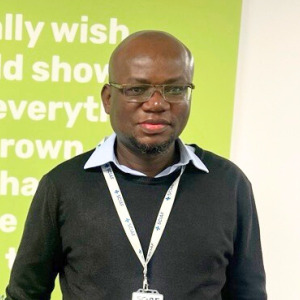
Alphaeus Ngonga SCIAF Advocacy Team member
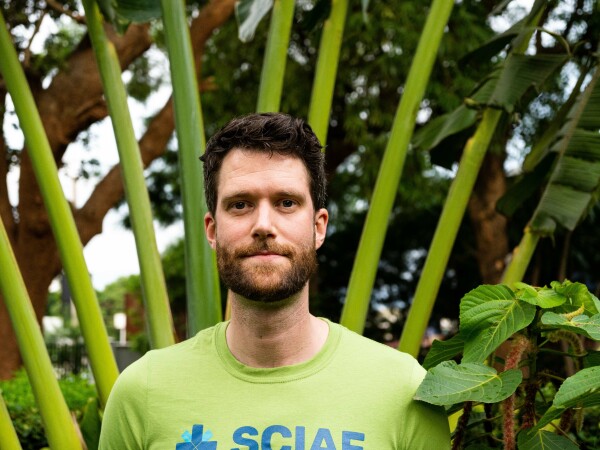
This piece, written by SCIAF's Ben Wilson, first appeared in The National.

Anne Callaghan, SCIAF's Advocacy and Campaigns Officer, was in Bonn in Germany for the preparatory conference on climate change.
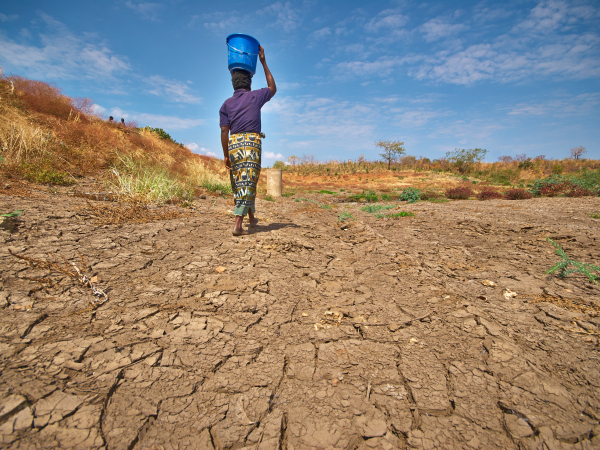
This article written by Ben Wilson, SCIAF's Director of Public Engagement, first appeared in The Flourish newspaper.
Previous
Back to