Some mothers' babies are too hungry and weak to cry
1 September 2026
This article is written by SCIAF's Senior Media and Marketing Officer, Claire Cook, and first appeared in the Flourish.
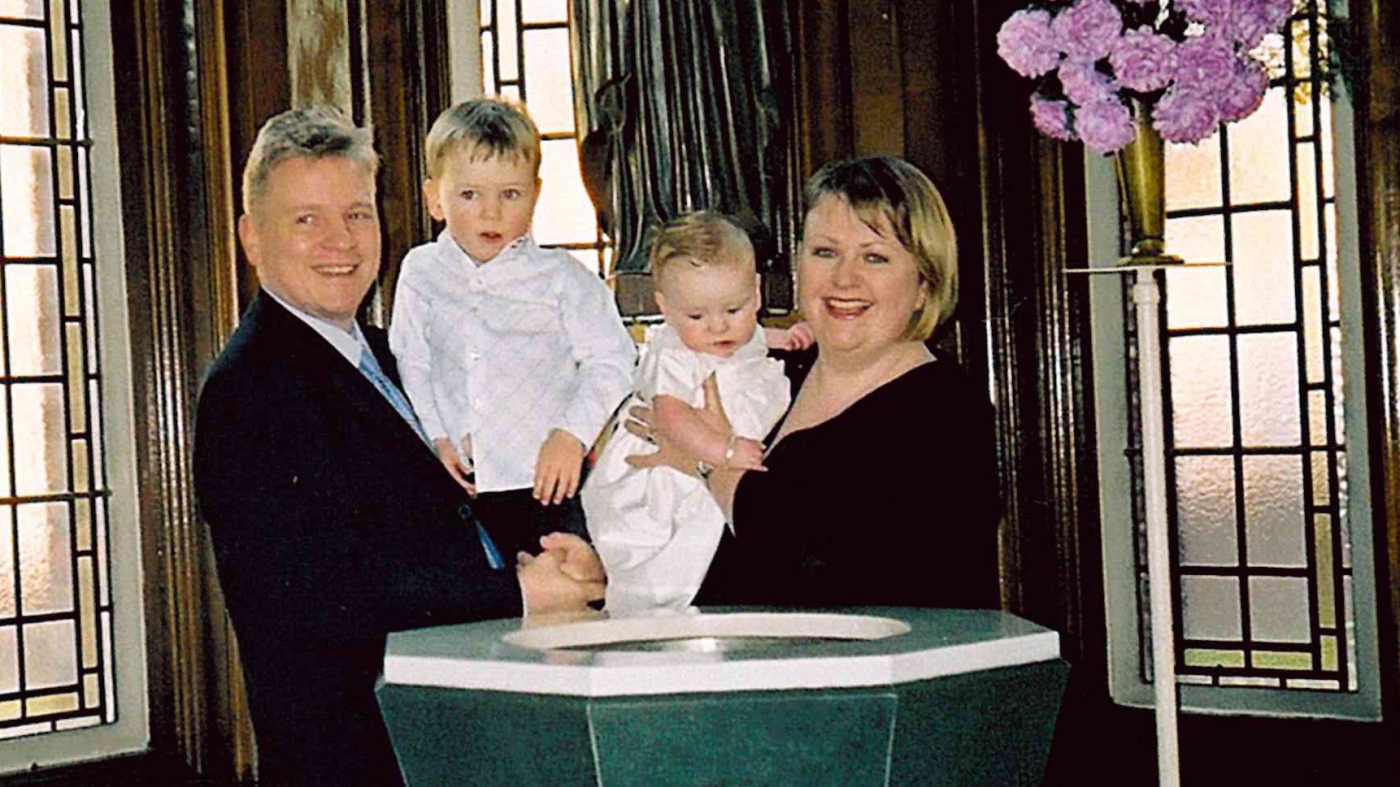
My ‘babies’ Jamie and Katie are now 25 and 22 but I remember their early days like it was yesterday.
Now working for SCIAF, my mind often wanders back to those days, particularly when my work relates to children in the countries we serve.
When they were very young they would get weighed regularly at the ‘baby clinic’ where my sister Jacqueline worked as a health visitor – and every week I would bounce out the door, proud as punch that they had gained weight and I had made that happen.
I would head straight to my parents’ house for lunch and to share my news.
I also remember their ‘Red Books’ and Jamie being on the 97th centile for his height. “This boy will be over 6-foot-tall one day” they said. Well he’s only 5’10” but I did my best!
Fast forward those 25 years and I have the privilege to work for SCIAF. My colleague Jonathan has just returned from Malawi, which is facing a food crisis, and is giving the staff an update on his trip. He tells us of a baby clinic in Nsanje and what strikes me is he says it was eerily quiet. That’s not how baby clinics should sound. They should be bustling, loud places with healthy babies screaming out their lungs for their next feed, and mothers chatting away.
These babies are too weak to scream and the mums too weak to breastfeed their babies. Some little ones are barely clinging to life. The mums patiently wait for their child to be
weighed and measured. A tape is wrapped around their tiny arms to gauge how far the malnourishment has progressed.
Measure green and they are deemed safe for now. Yellow means they are on the brink. Red? Read means danger but brings hope too. For those with the frailest babies measuring in the red zone, the hope comes in the form of a ‘Super Cereal’ of rich nutritional value – a mixture of corn, soya and Vitamin Premix which comes in a powder form.
This remains a cornerstone of emergency nutrition programming. Because maize is Malawi’s staple food, it is culturally familiar and easily prepared as porridge, making it especially suitable for young children, pregnant and breastfeeding women, and other vulnerable groups during the lean season.
To carry out this lifesaving work, SCIAF received funding from the Scottish Government Humanitarian Emergency Response Fund, known as HEF. Scotland has a long and proud friendship with Malawi, spanning right back to the days of David Livingstone – they even named one of their main cities after the man from Blantyre.
So, when you next visit the baby clinic, or hold your grandchild, or get a smile from a baby on the bus, please think of these babies in Malawi.

SCIAF's Elaine has returned to her old primary school for a fundraising celebration - just like she did as a pupil 40 years ago.

A 6-year-old boy from Newton Mearns has left his neighbours 'melting' after an extraordinary show of kindness and generosity.
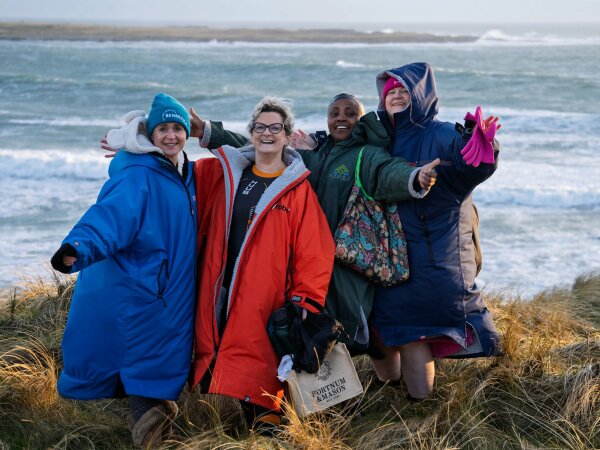
Three brave women from Benbecula took on a freezing fundraising challenge.
Previous
Back to